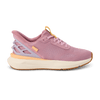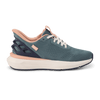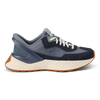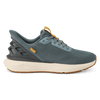









Arthritis affects over 58 million Americans — and for many of them, getting dressed in the morning is one of the most painful parts of the day. Bending down, tying laces, pulling on stiff shoes: these small tasks can become genuinely difficult when your joints hurt. The right footwear makes a real difference.
How Arthritis Affects Your Feet
Arthritis doesn't just affect hands and knees. It's also one of the most common causes of foot and ankle pain. Osteoarthritis can wear down cartilage in the foot's 33 joints, while rheumatoid arthritis causes inflammation that can reshape the foot entirely over time — leading to bunions, hammertoes, and significant joint pain with every step.
This is why footwear choice is so critical. The wrong shoe can accelerate joint damage. The right shoe can provide meaningful pain relief and preserve mobility.
What Arthritis Patients Should Look for in a Shoe
1. Easy Entry — No Bending Required
This is the most overlooked factor. If you have arthritis in your hands, wrists, knees, or hips, traditional shoes require bending and gripping in ways that can be actively painful. Hands-free shoes eliminate this entirely. You step in, the shoe does the work, and you're ready to go.
2. A Wide, Roomy Toe Box
Arthritis-related swelling is common, especially later in the day. A narrow toe box will compress already-inflamed joints and cause significant pain. Look for shoes with a generous toe box that gives your toes room to spread naturally.
3. Cushioning That Actually Absorbs Impact
When cartilage is damaged, your joints can't absorb shock the way they used to. Your shoe needs to compensate. Look for EVA or memory foam midsoles that reduce the impact force traveling up into your joints with every step.
4. Arch Support and Stability
Flat feet or fallen arches are common with arthritis. Proper arch support redistributes weight across the foot and reduces stress on the most affected joints. If you use custom orthotics, look for shoes with removable insoles.
5. A Firm, Stable Heel Counter
A soft, collapsible heel might sound comfortable, but it can actually increase instability — which puts more strain on already-stressed joints. Look for a heel counter that holds its shape and keeps your foot centered.
6. Lightweight Construction
Heavy shoes require more effort to lift with every step. For arthritis sufferers, this compounds fatigue quickly. Modern mesh and knit uppers are dramatically lighter than traditional leather or synthetic materials.
What to Avoid
- High heels — shift weight onto the ball of the foot and toes, worsening forefoot arthritis.
- Flip-flops and flat sandals — zero arch support and no stability.
- Narrow shoes — compress bunions, hammer toes, and inflamed joints.
- Stiff, rigid uppers — fight against a foot that needs to swell and flex naturally.
- Lace-up shoes without adaptive lacing — require bending and fine motor control that arthritis can make impossible.
Why Hands-Free Shoes Are a Natural Fit for Arthritis
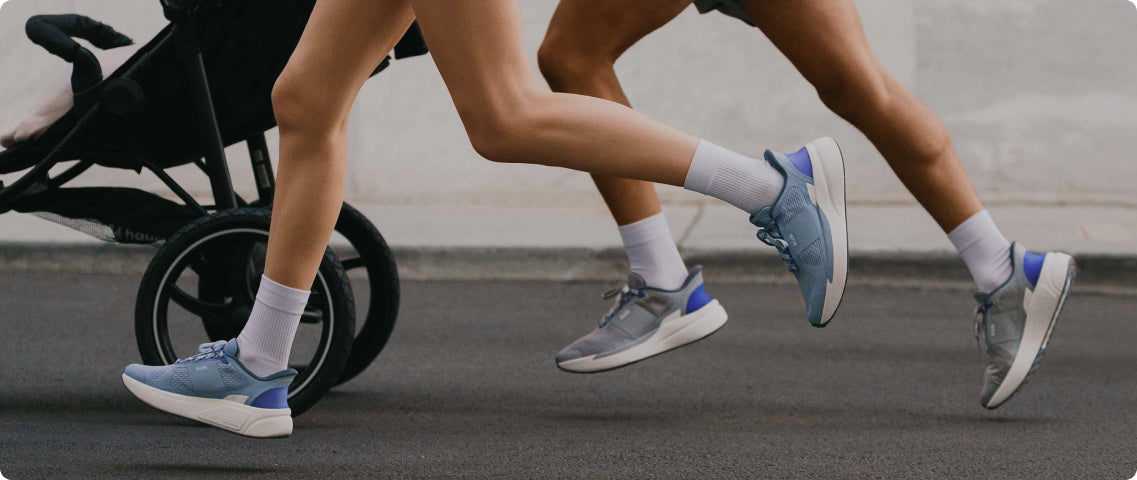
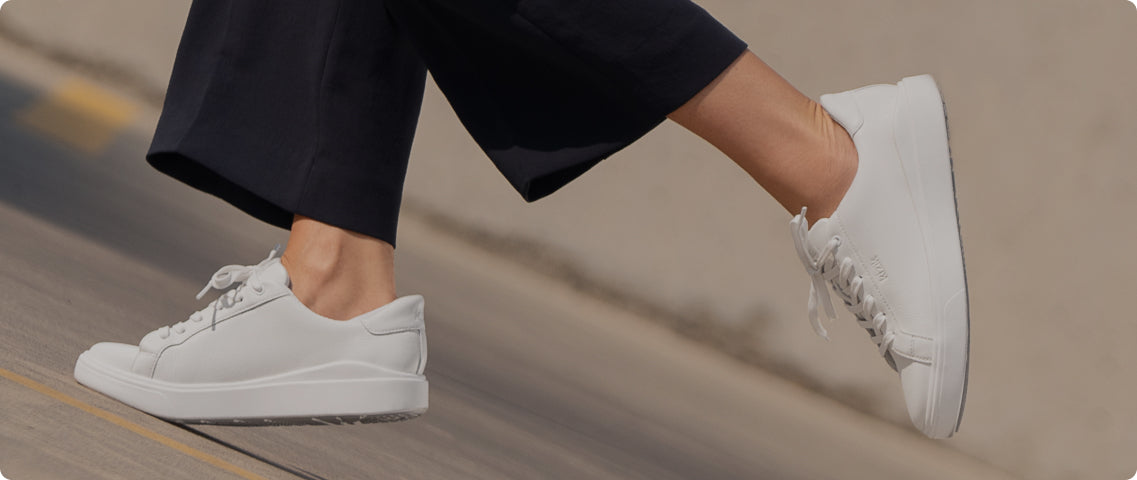
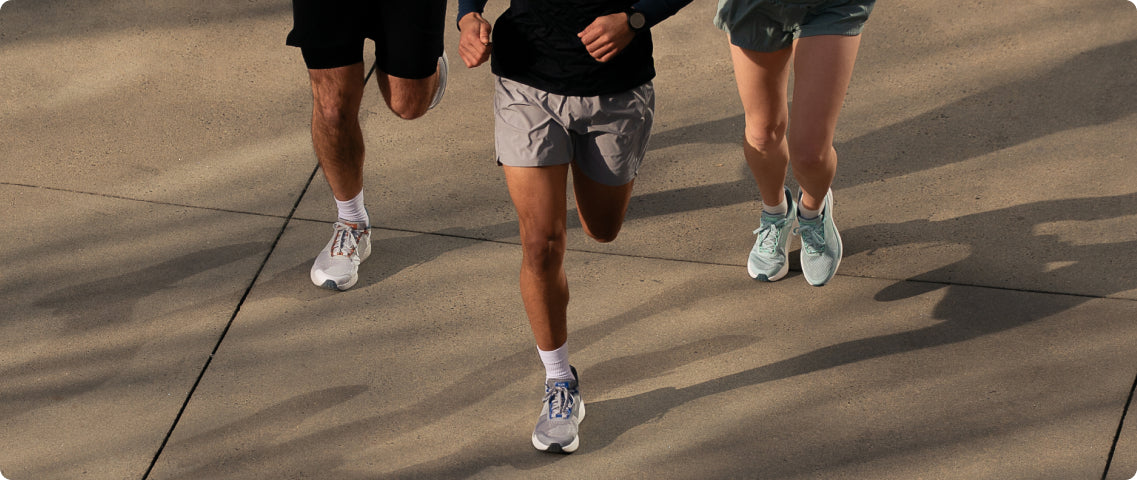
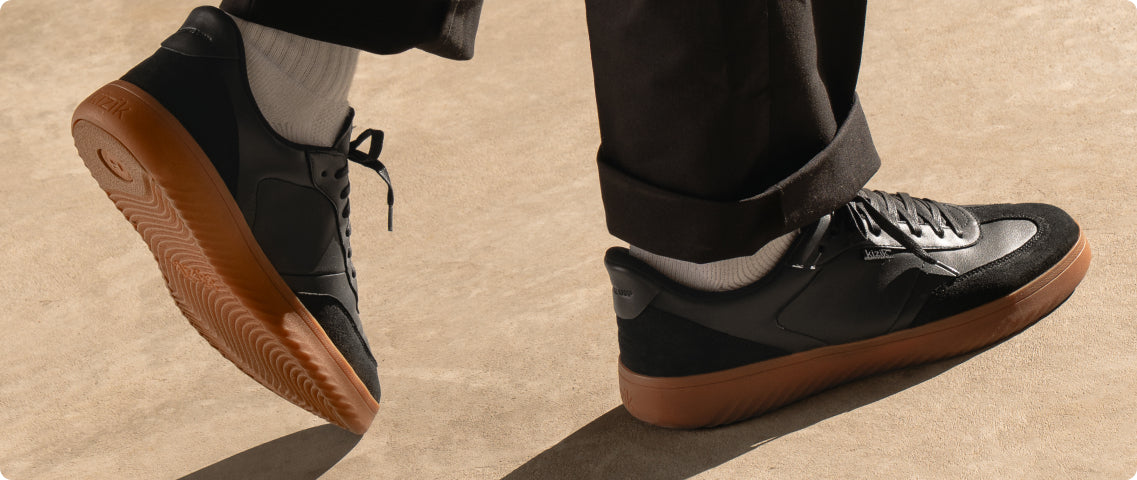
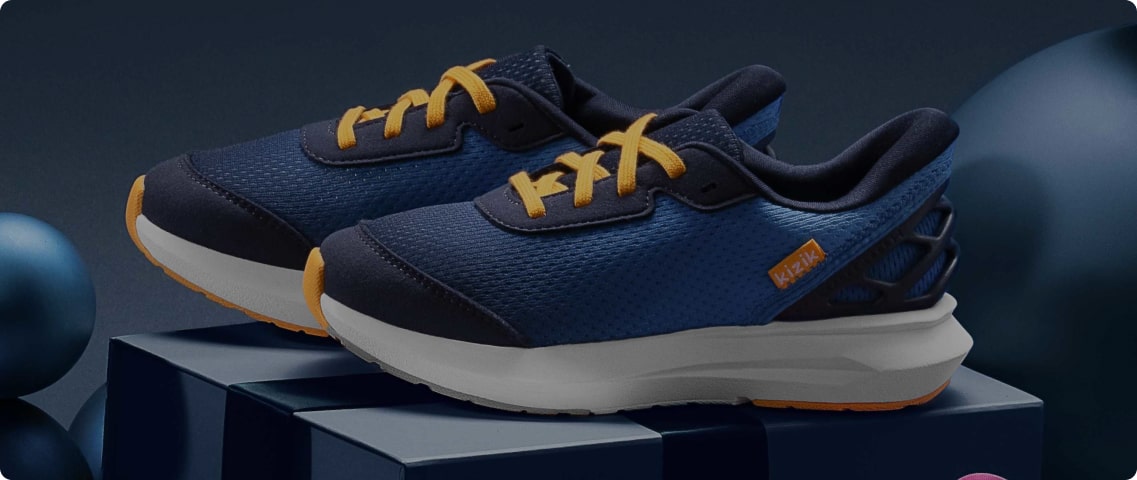
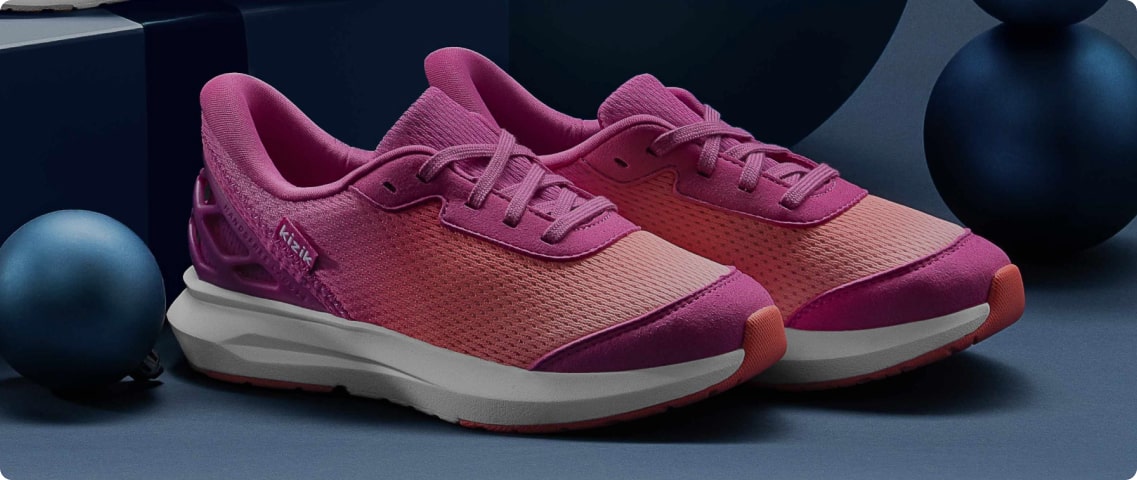
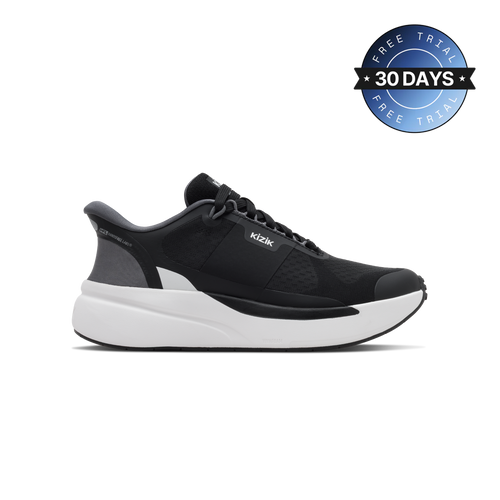
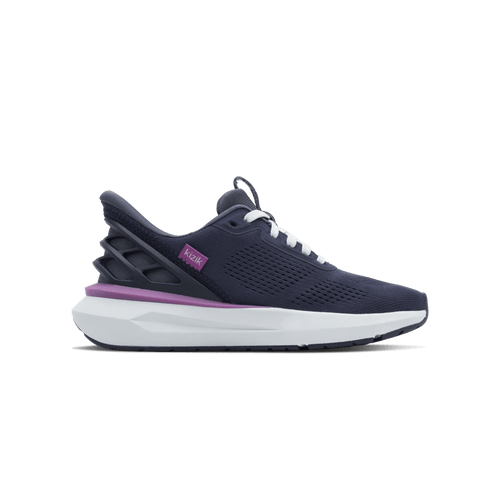
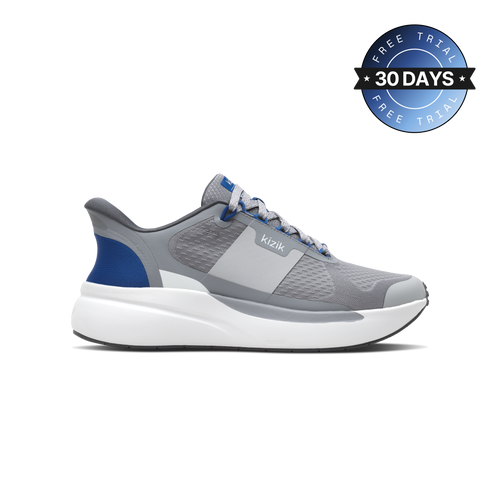
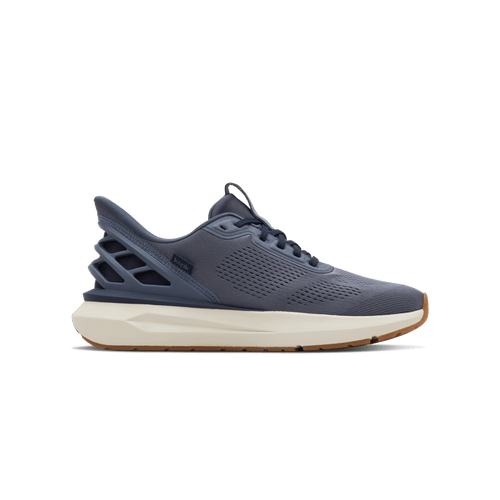
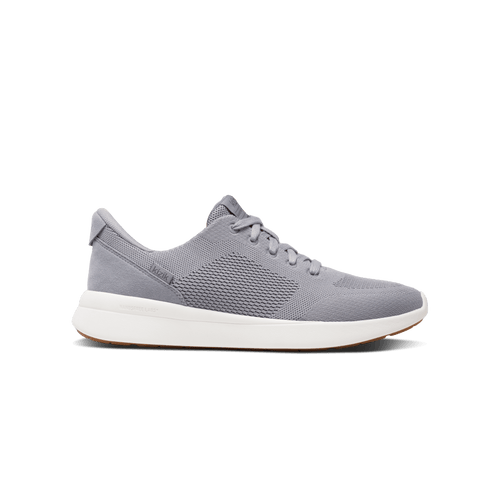
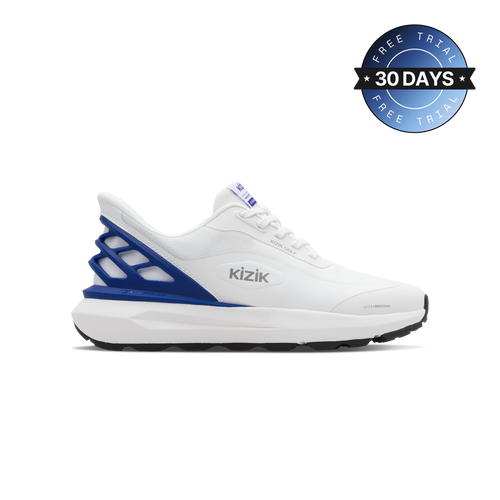
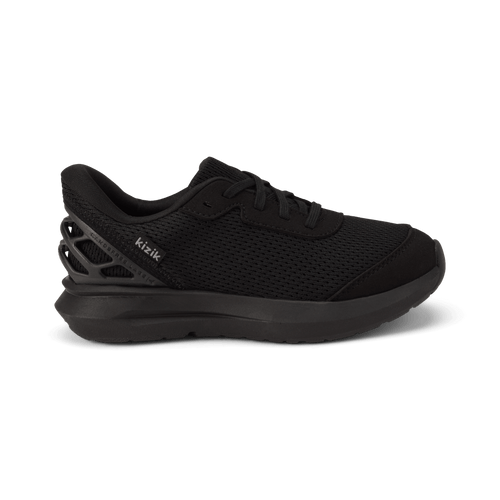
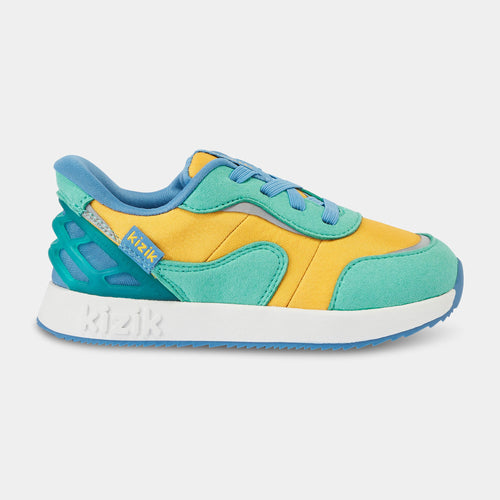
The core challenge of arthritis and footwear is getting the shoe on without causing pain. Kizik's hands-free technology addresses this directly. The heel counter is engineered to compress on entry, letting your foot slide in naturally, then springs back to provide full support once you're in. No bending, no grip strength required, no struggle.
Paired with a wide toe box, cushioned footbed, and lightweight knit upper, Kizik shoes are designed to be the most comfortable part of your morning routine — not the most painful.
Find Your Fit
We offer hands-free shoes in a wide range of styles, fits, and widths — including options specifically designed for people managing foot and joint pain.